Business Name: BeeHive Homes of Lamesa TX
Address: 101 N 27th St, Lamesa, TX 79331
Phone: (806) 452-5883
BeeHive Homes of Lamesa
Beehive Homes of Lamesa TX assisted living care is ideal for those who value their independence but require help with some of the activities of daily living. Residents enjoy 24-hour support, private bedrooms with baths, medication monitoring, home-cooked meals, housekeeping and laundry services, social activities and outings, and daily physical and mental exercise opportunities. Beehive Homes memory care services accommodates the growing number of seniors affected by memory loss and dementia. Beehive Homes offers respite (short-term) care for your loved one should the need arise. Whether help is needed after a surgery or illness, for vacation coverage, or just a break from the routine, respite care provides you peace of mind for any length of stay.
101 N 27th St, Lamesa, TX 79331
Business Hours
Monday thru Sunday: 9:00am to 5:00pm
Facebook: https://www.facebook.com/BeeHiveHomesLamesa
YouTube: https://www.youtube.com/@WelcomeHomeBeeHiveHomes
Walk into a well run small senior home at 8 a.m. And you will not see a single, stiff schedule applied to everyone. One resident is completing oatmeal and coffee at the bright cooking area table. Another is still in bed, listening to jazz with the drapes half drawn. Someone else is already dressed and folding laundry by option, since it makes them feel beneficial. Exact same time of day, 3 really various mornings.
That is the quiet power of personalized activities of daily living in a small setting. The jobs sound fundamental on paper, but in practice they are how people experience their day: rising, bathing, dressing, using the bathroom, walking around, eating meals, managing medications. When those routines are tailored in a thoughtful assisted living or board and care home, they protect self-respect and identity rather of removing it away.
Over the past twenty years operating in senior care, I have actually seen large centers with lovely facilities, and I have seen six bed homes tucked into common neighborhoods. The smaller homes do not constantly win on décor or health club equipment, however they often outmatch larger operations on one essential dimension: the capability to adapt day-to-day care around one person at a time.
What "small senior homes" truly look like
Families utilize different terms: small assisted living, residential care home, board and care, adult household home. Regulations differ by state, but the basic image is similar. A typical home serves between 4 and 16 citizens, typically in a transformed single household home or a purpose developed small house. Staff operate in close distance to homeowners, sharing typical areas, helping with meals, and supporting everyday routines.
Compared with a 60 or 120 bed assisted living community, a small home starts with a number of integrated in advantages for tailoring care:
Staff ratios are usually tighter. Instead of one caretaker for 12 to 20 citizens, you might see one caregiver for 3 to 6 locals throughout the day. In the evening, a single caregiver might cover the entire home, however still with far fewer people to monitor.
Documentation is simpler and more personal. Care plans are not simply electronic charts. In good homes, they live in the personnel's memory, in the published notes on the fridge, in the method morning shift reminds evening shift about a resident's brand-new preference for chamomile instead of black tea.
The environment behaves like a family, not a hotel. The line between "my space" and "the common location" feels closer to domesticity, which enables routines to stream more naturally. Homeowners can gravitate to their preferred areas without passing through long corridors or formal dining rooms.
These structural features matter since they make it possible to differ one-size-fits-all regimens. If you just have six individuals to wake, shower, gown, and serve breakfast, you can afford to let somebody sleep till 9 a.m. You can spend ten extra minutes assisting another resident choice a favorite clothing instead of rushing to strike a seat count in the dining room.
Activities of daily living as identity, not simply tasks
Healthcare experts frequently divide daily function into "ADLs" and "IADLs." It sounds scientific. In practice, each of those ADLs brings a piece of who the person is and how they see themselves.
Bathing can be a vulnerable moment or a small luxury. A retired mechanic who prided himself on self sufficiency may resist aid in the shower due to the fact that it seems like a loss of self-reliance, while another resident finds convenience in a caregiver who understands simply how warm to make the water and which lavender soap she likes.
Dressing is not only about staying warm and covered. Clothes ties to dignity, modesty, cultural background, even previous functions. I still remember a previous bank manager who unwinded visibly when personnel realized he required a pushed button down t-shirt, even with flexible waist pants, to feel "ready for the day."
Toileting and continence discuss shame and privacy. Improperly handled, they are a huge source of distress. Handled respectfully, with proactive timing and quiet help, they become one more regular that protects confidence rather of wearing down it.
Mobility is autonomy. Whether someone strolls independently, uses a walker, or requires a wheelchair, the questions are the exact same: How can we keep them moving safely, and how can we avoid turning them into a passive guest in their own life?
Feeding and meals represent much more than calories. They are social time, sensory experience, and memory triggers. Small senior homes that cook in an open kitchen area, with smells of onions sautéing or cookies baking, take advantage of that psychological layer of care.
Medication management is frequently the least individual part of the day in large settings. In smaller homes, the very same caregiver might know how to combine tablets with a joke or a favorite muffin, and may observe subtle modifications in how a resident swallows or reacts.
Treating these jobs as identity minutes, not only as care responsibilities, is the beginning point for real personalization.
How small homes find out each resident's "default setting"
Personalization does not happen by accident. The best small homes develop it on a couple of crucial practices.
First, they take intake seriously. I have seen admissions done with a clipboard in 20 minutes, and I have actually seen them take 2 hours around a table with tea and household images. The 2nd method produces much better care. Staff ask not only "Can you shower yourself?" however "Do you prefer showers or baths? Early morning or night? Alone or with the door partly open so you can hear the television?" For someone with dementia, families often complete the gaps about long-lasting habits.
Second, they produce a working bio. It may be a formal "life story" document or merely a personnel culture of informing stories about locals throughout shift change. A note like "Julia taught 2nd grade for 30 years and hates being hurried" has direct ramifications for how you manage her mornings.
Third, they enjoy and adjust over the very first weeks. What a resident or family reports on day one does not constantly match truth in a brand-new setting. Stress and anxiety, unknown bathrooms, various beds, or new medications can shift sleep patterns and continence. Small personnels often notice rapidly, since the individual is not one of many at the end of a long corridor. If Mr. Lopez refuses his 7 a.m. Shower three mornings in a row, caregivers can recommend a late early morning or evening regular practically immediately.
Finally, they provide frontline personnel real authority. In large centers, caregivers might have little room to deviate from the printed schedule. In well managed small homes, the administrator expects caretakers to improvise within factor and to restore concepts that worked. That autonomy is vital for tailoring.
Morning routines: getting up as yourself
Mornings expose really quickly whether a small home really individualizes care or just duplicates a smaller version of institutional routines.
I recall 2 locals from the very same home who could not have actually been more different. One, a retired nurse in her late seventies, woke naturally at 5:30 a.m. Her whole adult life. She delighted in the quiet and liked to shower early, have coffee, and watch the early news. The other, a former musician in his eighties, had actually been a lifelong night owl. Requiring him out of bed before 9 a.m. Made him irritable and confused.
In a larger structure with 80 residents, both may receive a basic 7 a.m. Wake up and 8 a.m. Breakfast because the staffing model demands it. In the small home where they lived, the overnight caretaker started the nurse's shower at 6 a.m. By choice, then sat her at the cooking area table with coffee before the day shift arrived. The artist had a care strategy that specifically mentioned "Do not wake before 8:30 unless medically needed." His first hour of the day was deliberately slow and disorganized, with breakfast ready when he was fully awake.
That sort of distinction depends upon small details: understanding who sleeps gently, who needs a mild voice or a discuss the shoulder instead of bright lights, who prefers to select their own clothes versus having 2 clothing set out. In time, caregivers in a small home discover these subtleties almost the method member of the family do. Waking up becomes something that happens with somebody, not to them.
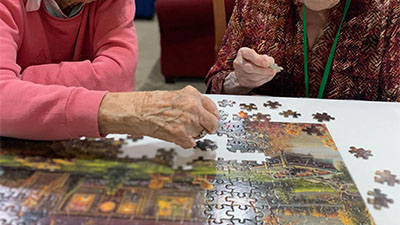
Bathing and grooming: privacy, convenience, and cultural respect
Bathing is one of the most personal ADLs, and one where bad handling can rapidly lead to rejections, agitation, or outright worry, especially in residents with dementia.
Small senior homes have a simpler time matching bathing routines to personal history. For example, many older grownups matured without day-to-day showers. Requiring a shower every early morning may feel intrusive and even unneeded to them. In a six bed home, it is entirely workable to set up baths 2 or 3 times a week for those locals, while still offering day-to-day face cleaning, oral care, and grooming.
Cultural and spiritual norms also matter. Some homeowners choose very same gender caretakers for bathing. Others have specific expectations around modesty, such as keeping particular body parts covered as much as possible. In a small home, staffing and scheduling can typically appreciate these needs, instead of treating them as inconvenient.
Temperature and sensory level of sensitivity play a practical function. I have actually seen aggressive "habits" disappear when we stopped rushing somebody into a cold bathroom and instead warmed the room, set out thick towels in their preferred color, and played soft music. These are small, low-cost changes, but they require time and attention.
Grooming regimens, like shaving, hair styling, or makeup, are typically overlooked in bigger settings. In small homes, I have viewed caretakers learn precisely how one resident liked her lipstick and earrings before church, or how another chosen a hot towel shave every other day. These are not luxuries. They are ways of stating, "You are still you."

Dressing and continence: function without compromising dignity
Clothing options show the compromise between safety, benefit, and self expression. A resident at danger of falls might need strong shoes and easy to put on trousers, however that does not automatically imply institutional sweats. In small homes, personnel frequently have time to assist locals adjust their own style utilizing flexible waist slacks, adaptive t-shirts with surprise Velcro, or layered clothing for warmth.
I keep in mind a lady who had constantly worn coordinated clothing with precious jewelry. In her very first week in a small home, staff noticed her mood enhanced when they involved her in selecting a scarf and necklace each morning, even when they ultimately needed to attach the clasp for her. That minute or two of participation was an ADL intervention, not fluff.
Toileting and continence care benefit greatly from close observation. In a big facility, scheduled toileting might occur every 2 hours on a rigid round. In a small home, caretakers can sync restroom offers with the individual's natural pattern: right after breakfast and lunch, before brief strolls, before bed. They quickly discover subtle signs that someone needs the bathroom but might not verbalize it, such as uneasyness or particular fidgeting.
The distinction in between an "mishap prone" resident and a mostly continent individual typically boils down to this type of proactive, personalized timing. It lowers humiliation, skin breakdown, and urinary infections. Households sometimes undervalue how much calmer a parent will be when they no longer reside in fear of public accidents.
Mobility and "built in" activity
In small senior homes, movement is not limited to arranged exercise classes. The extremely design motivates short, meaningful trips: from bedroom to cooking area, from favorite chair to garden, from living room to mail box. For residents with movement difficulties, caregivers can weave these motions into ADLs in subtle ways.
For a person who uses a walker, personnel may place the coffee pot just far enough from the table to motivate a quick walk, with close guidance, each early morning. Rather of wheeling someone to the restroom, they may permit extra time and stand-by support so the resident can stroll with a gait belt.
What appears like "aiding with ADLs" on a care strategy can operate as low level, regular physical therapy. The key is to strike a balance between security and autonomy. Small homes, with far fewer locals to supervise, can legally offer someone an additional 5 minutes to walk at their speed rather than pushing a wheelchair to conserve time.
I have actually likewise seen the method small teams notice changes early: a slight shuffle, slower transfers, new doubt on stairs. That early detection allows for timely physician visits, medication evaluations, and perhaps home based physical treatment, instead of waiting for a fall and an emergency clinic visit.
Mealtime regimens: more than 3 scheduled seatings
Meals in small senior homes look various from restaurant style dining in large assisted living neighborhoods. The kitchen is normally close enough that locals can smell food cooking. Some may sit at the table while personnel prepare breakfast, which naturally triggers discussion: "Do you desire eggs today or just toast?" "Orange juice or tea?"
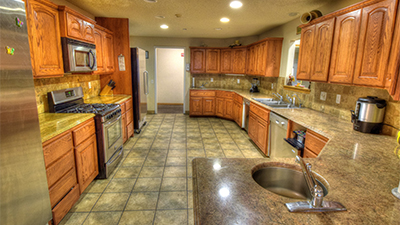
From an ADL viewpoint, this environment provides versatility in timing and format. A resident who wakes earlier might have a light very first breakfast, then sign up with others later for coffee and a pastry. Someone with innovative dementia might be calmer with three or 4 smaller meals and snacks, served when they show interest, rather of being anticipated to consume three big plates on a precise clock.
Texture modifications and special diets are simpler to individualize when the cook is preparing meals for 8 rather of eighty. You can have one plate pureed, one sliced, and one regular without overwhelming the cooking area. Personnel can also observe patterns: Joe eats better when his pills are provided after breakfast, not before; Maria drinks more when her water is flavored with a slice of lemon.
This is likewise where respite care remains become an opportunity to test and refine routines. When a household sends a parent for a week of respite care in a small home, mindful personnel may understand that the "bad appetite" reported in your assisted living home is partially a function of timing, loneliness, or the method food is presented. That insight can take a trip back home with the household, or might notify a long-term relocation if needed.
Medication and health routines that fit the person
Medication management tends to look standardized from the exterior: times, dosages, blister packs. Customization appears in the method medications are woven into daily life and how side effects are noticed.
For example, a diuretic provided too late in the evening might ensure night time bathroom trips and bad sleep. In a small home, caregivers see the immediate impact. They witness the resident shuffling to the restroom at 2 a.m., then groggy at breakfast, and can flag this pattern to the nurse or physician. Adjusting the timing to late early morning can significantly improve quality of life.
Similarly, discomfort medications for arthritis or persistent neck and back pain can be set up to peak before the most active part of the day, or before a known trigger like bathing. That allows locals to participate more fully in their own ADLs instead of requiring total assistance.
Small groups also notice state of mind and cognition changes related to medications: a brand-new antidepressant that makes somebody more taken part in grooming, or a sedative that leaves them too sleepy to eat. These subtleties frequently get missed out on in larger operations where different staff communicate with the person at various times and in various departments.
The role of relationships: connection as a clinical tool
Personalizing ADLs is not only about procedures. It depends greatly on stable relationships. In small homes, the exact same 3 to six caregivers often cover most shifts. Locals get utilized to the same faces assisting them bathe, gown, and move. That familiarity builds trust, which in turn makes intimate care less demanding and more effective.
I have actually viewed a resident with sophisticated dementia resist bathing from a brand-new team member, then relax nearly right away when a familiar caretaker took control of. There was no magic expression. It was the body movement, tone of voice, and shared history: "It's me, Anna, the one who constantly sings your church songs while we clean your hair."
Continuity also helps staff acknowledge small changes that could signal health issues: a brand-new trembling when holding a tooth brush, wincing when lifting an arm during dressing, or unstable transfers from chair to walker. These observations are typically very first made throughout ADLs, not throughout official assessments.
For households, this relational stability becomes part of what differentiates excellent small homes from mediocre ones. High turnover undermines customization. A home that maintains caregivers for years, not months, can accumulate a deep understanding of each resident's quirks and preferences.
Working with households before, during, and after move-in
Families arrive with their own regimens and stressors. Some have actually been supplying hands-on elderly care for years, waking several times during the night to assist with toileting or roaming. Others are actioning in after a sudden hospitalization. Small senior homes that excel at personalized ADLs generally include households closely.
This begins even before admission, with sincere conversations about what is operating at home and what is not. A boy might explain his mother as "declining showers," but when penetrated, it turns out she only refuses when he attempts to assist and withstands far less when a female caregiver is included. That detail shapes staffing assignments.
Respite care is an effective tool here. Brief stays, typically lasting a couple of days to a couple of weeks, enable the home to find out the person while giving the household a break. During respite, staff can experiment with timing, sequence, and approaches to ADLs. They might find that Dad accepts toileting assistance better if used right after his mid-morning coffee, or that Mom consumes twice as much when she sits beside somebody who chats gently.
After a move, families need regular feedback, not just about medical problems but about everyday regimens. A good small home will share specific observations: "Your father really likes selecting between two t-shirts rather of having a complete closet to look at. It seems to minimize his disappointment when dressing." These information reassure families that their loved one is viewed as an individual, not a list of tasks.
Questions households can ask to judge genuine personalization
Families exploring small senior homes often hear similar phrases: "We provide individualized care." "We treat your loved one like family." To learn whether that is true in practice, specific, concrete questions help.
Here work questions to ask during a tour or care conference:
How do you choose what time each resident gets up and goes to bed? Who chooses clothing each day, and how do you handle it if a resident's option is not practical? Can you explain how you assist someone who is modest or afraid with bathing? What happens if my parent does not wish to consume at the scheduled mealtime? How do you include households in updating routines when health or capabilities change?The responses need to include examples, not simply policies. Listen for stories that show staff notice and respond to individual quirks.
Red flags that routines are not genuinely tailored
Personalized ADLs leave traces noticeable to an attentive visitor. Similarly, generic care has its own signs. When I seek advice from households, I encourage them to look for a few warning patterns.
Everyone wakes, consumes, and showers at the same times, with no exceptions mentioned. Staff refer mostly to "our citizens" rather of utilizing names and explaining individual preferences. You see numerous locals in mismatched or stained clothes, or with unshaven faces and unbrushed hair, without a good explanation. Bathrooms smell highly of urine on repeated visits, suggesting hurried or badly timed continence care. When you inquire about your loved one's regular, personnel quote the care plan however struggle to explain what in fact took place yesterday.Any among these might have an innocent factor on a provided day, however a pattern recommends a job focused culture rather than a person focused one.
The quiet benefits: security, state of mind, and reasonable independence
When activities of daily living are tailored thoroughly in a small senior home, the advantages are simple to ignore since they look normal. Falls decline since mobility assistance is aligned with how the person really moves. Skin stays healthy since bathing and continence care are proactive and considerate. Cravings improves because meals match specific routines and rhythms.
Families often report that a parent appears "more themselves" after moving into a small, customized assisted living home, regardless of the predicted losses of aging. Part of that effect originates from social connection. Another part comes from the simple relief of having help with ADLs that feels supportive instead of infantilizing.
Personalized routines have limits. Not every preference can be honored whenever. Personnel burnout and turnover stay dangers, especially in underfunded settings. Some homeowners require such extensive physical assistance that choices need to be narrowed for safety. Still, within those restrictions, small homes that treat ADLs as the fabric of life, not a checklist, provide older grownups a quieter but profound present: the ability to go through normal jobs in such a way that still seems like their own.
For families weighing options in senior care, it assists to look beyond the sales brochures and ask, "What will mornings seem like here? How will my mother be helped to shower, dress, consume, utilize the restroom, relocation, and manage her health day after day?" In an excellent small home, the answer sounds less like a timetable and more like a story about one specific person. That is where real customization lives.
BeeHive Homes of Lamesa TX provides assisted living care
BeeHive Homes of Lamesa TX provides memory care services
BeeHive Homes of Lamesa TX provides respite care services
BeeHive Homes of Lamesa TX supports assistance with bathing and grooming
BeeHive Homes of Lamesa TX offers private bedrooms with private bathrooms
BeeHive Homes of Lamesa TX provides medication monitoring and documentation
BeeHive Homes of Lamesa TX serves dietitian-approved meals
BeeHive Homes of Lamesa TX provides housekeeping services
BeeHive Homes of Lamesa TX provides laundry services
BeeHive Homes of Lamesa TX offers community dining and social engagement activities
BeeHive Homes of Lamesa TX features life enrichment activities
BeeHive Homes of Lamesa TX supports personal care assistance during meals and daily routines
BeeHive Homes of Lamesa TX promotes frequent physical and mental exercise opportunities
BeeHive Homes of Lamesa TX provides a home-like residential environment
BeeHive Homes of Lamesa TX creates customized care plans as residents’ needs change
BeeHive Homes of Lamesa TX assesses individual resident care needs
BeeHive Homes of Lamesa TX accepts private pay and long-term care insurance
BeeHive Homes of Lamesa TX assists qualified veterans with Aid and Attendance benefits
BeeHive Homes of Lamesa TX encourages meaningful resident-to-staff relationships
BeeHive Homes of Lamesa TX delivers compassionate, attentive senior care focused on dignity and comfort
BeeHive Homes of Lamesa TX has a phone number of (806) 452-5883
BeeHive Homes of Lamesa TX has an address of 101 N 27th St, Lamesa, TX 79331
BeeHive Homes of Lamesa TX has a website https://beehivehomes.com/locations/lamesa/
BeeHive Homes of Lamesa TX has Google Maps listing https://maps.app.goo.gl/ta6AThYBMuuujtqr7
BeeHive Homes of Lamesa TX has Facebook page https://www.facebook.com/BeeHiveHomesLamesa
BeeHive Homes of Lamesa has an YouTube page https://www.youtube.com/@WelcomeHomeBeeHiveHomes
BeeHive Homes of Lamesa TX won Top Assisted Living Homes 2025
BeeHive Homes of Lamesa TX earned Best Customer Service Award 2024
BeeHive Homes of Lamesa TX placed 1st for Senior Living Communities 2025
People Also Ask about BeeHive Homes of Lamesa TX
What is BeeHive Homes of Lamesa Living monthly room rate?
The rate depends on the level of care that is needed. We do an initial evaluation for each potential resident to determine the level of care needed. The monthly rate is based on this evaluation. There are no hidden costs or fees
Can residents stay in BeeHive Homes until the end of their life?
Usually yes. There are exceptions, such as when there are safety issues with the resident, or they need 24 hour skilled nursing services
Do we have a nurse on staff?
No, but each BeeHive Home has a consulting Nurse available 24 – 7. if nursing services are needed, a doctor can order home health to come into the home
What are BeeHive Homes’ visiting hours?
Visiting hours are adjusted to accommodate the families and the resident’s needs… just not too early or too late
Do we have couple’s rooms available?
Yes, each home has rooms designed to accommodate couples. Please ask about the availability of these rooms
Where is BeeHive Homes of Lamesa TX located?
BeeHive Homes of Lamesa is conveniently located at 101 N 27th St, Lamesa, TX 79331. You can easily find directions on Google Maps or call at (806) 452-5883 Monday through Sunday 9:00am to 5:00pm
How can I contact BeeHive Homes of Lamesa TX?
You can contact BeeHive Homes of Lamesa by phone at: (806) 452-5883, visit their website at https://beehivehomes.com/locations/lamesa/, or connect on social media via Facebook or YouTube
Take a drive to K-BOB'S Steakhouse Lamesa. K-BOB'S Steakhouse Lamesa provides classic comfort food that residents in assisted living or memory care can enjoy during senior care and respite care outings.